
Delayed compensation and rising working capital requirement force oil marketing firms like IndianOil to turn to borrowings.

As it gets ready for disinvestment of 10 per cent government equity through the offer-of-sale route in January, T K Ananth Kumar, director (finance), tells Jyoti Mukul the company is one of the cheapest explorers and producers of oil and gas, but awaits more predictability in the government-subsidy sharing mechanism.
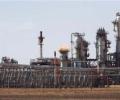
Appoints Foster Wheeler as consultant to prepare project report.

As demand slows down, companies would rather consolidate operations than go for aggressive capital expenditure.

Telcos' m-cap rises Rs 11,286 crore; Bharti, RCom lead.

Their accumulated debt stood at Rs 1,85,720 crore in March.

Bond issue oversubscribed 15 times despite gloomy sovereign rating.

RIL is peeved with the govt for blocking of approvals and non-revision of gas price produced from its underperforming KG-D6 block.

Loans and advances account for nearly a quarter of the assets of India's top realty firms.

Investing in AA paper broadens choice but exposes policyholders to risk

Although the apex court's opinion on the Presidential reference comes at a time when the floppy bidding route for coal blocks is being criticised, it will not come in the way of allocation of natural resources through auctioning.
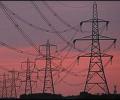
Mandatory pvt participation, annual tariff hikes, conforming to FRBM limits seen difficult.

IndianOil targets monthly 5,000-tonne polypropylene exports
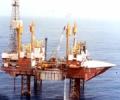
About two million tonnes (mt) of condensates produced by the oil company were taken into account while apportioning the subsidy burden.

Mehta's exit and Hilton's entry would see the company making history in India, where women have remained out of the chairperson's slot in energy companies, private or state-run.
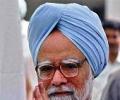
Prime minister bats for common standards to be implemented in all jurisdictions.

Finance ministry officials said they were scrutinising many deals, but the actual tax liability would depend on many factors, including the kind of payment (royalty, interest, stake sale) and the Double Tax Avoidance Agreement with the country where the foreign company was based.

If June 2010 diesel price is taken as the base, then the increase is a mere 2 per cent. By contrast, petrol prices have gone up by 23 per cent in the same period.

Getting compensated for at least 90 per cent of losses without government subsidy appears difficult.

The government indecisiveness on petroleum price rise, coupled with late release of cash subsidy, has sent the borrowings of three government-controlled oil marketing companies to an all-time high of around Rs 118,000 crore (Rs 1,180 billion).
 © 2026 Rediff.com - Investor Information - Advertise with us - Disclaimer - Privacy Policy - Sitemap - Feedback - About us - Terms of use - Grievances